15 Dark Cottagecore Kitchen Ideas for a Cozy, Moody 2027 Look
The appeal of dark cottagecore kitchen ideas is simple: a kitchen can feel a little mysterious, a little old-fashioned and still work beautifully for everyday cooking. Imagine forest-green cabinets, honest wood, cream pottery, softly patterned fabrics and warm task lighting. For anyone collecting moody rustic kitchen ideas for 2027, the most useful inspiration is not a prediction that everything must change next year; it is a palette and a set of practical upgrades that will still feel comfortable beyond a trend cycle.
Quick answer: Start with one deep color—olive, charcoal, ink blue or espresso—then balance it with a warm, cleanable work surface, natural wood and enough light to prep food safely. Add a few vintage-inspired touches you will use, rather than buying an entire collection of decorative objects.
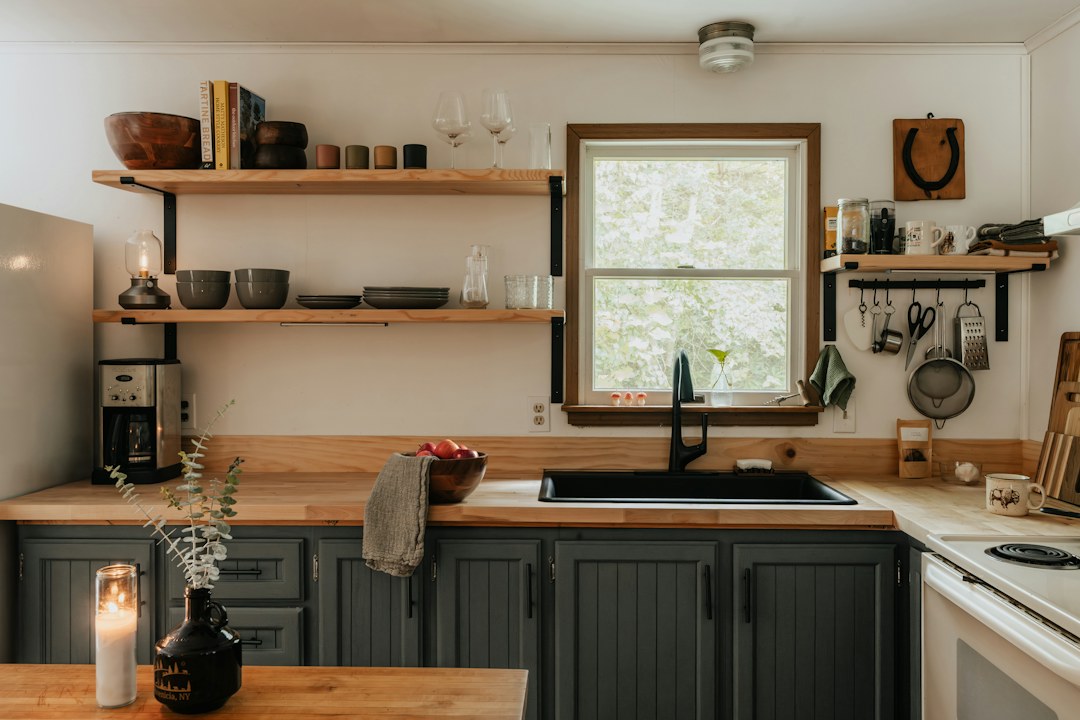
The Dark Cottagecore Kitchen Look: Cozy, Not Gloomy
Dark cottagecore mixes the nostalgia of a country kitchen with shadowy colors and handmade-looking details. It is a little more earthy than a polished black kitchen and less themed than a full vintage reproduction. The important balance is between texture and function: your worktops must remain practical, surfaces must be easy to clean, and light must reach the places where you chop, wash and cook.
This article is the kitchen-focused companion to our dark cottagecore decor ideas for the whole home. Here, the focus is specifically on cabinetry, backsplashes, lighting, cookware and cozy breakfast areas.
Jump to: color and cabinet finishes · rustic details · smaller kitchen and renter-friendly touches · 2027 design direction · FAQs.
Dark Kitchen Colors and Cabinets (Ideas 1–5)
1. Start with forest-green cabinets and a warm cream backdrop
Forest green feels like the natural starting point for a moody cottage kitchen, but the most inviting versions are not dark from floor to ceiling. Consider mossy or woodland-green cabinet fronts against warm ivory walls, a light backsplash and a wood counter or table. The pale areas give daylight somewhere to bounce, while the green creates a relaxed, old-house atmosphere. Sample a few greens on movable boards before committing; many look nearly black in north-facing kitchens. If your cabinets are sound but the finish is tired, professional preparation and a cabinet-compatible paint system matter more than the color name. Try first: add a green runner or small accessories and observe the palette before painting. Skip: swapping every cabinet just to get a deeper shade. If you are renting, focus on reversible textiles and freestanding pieces rather than permanent alterations.
2. Give a small kitchen a two-tone charcoal-and-oatmeal palette
Moody kitchen design does not always require black cabinets. Painting or choosing the lower units in charcoal, cocoa or deep olive while keeping upper cabinets light can ground the room without making it cave-like. The lighter upper half is especially useful in kitchens with a single window or limited natural light. Repeat the darker finish once in a small stool, frame or handle and leave the rest of the surfaces quiet. Pay attention to the actual floor and countertop tones, since a cold gray and a yellow-beige can feel disconnected. Try first: test fabric swatches and cabinet color samples in your existing light. Budget move: use dark linens or a freestanding dark cabinet instead of altering built-in units. Common mistake: adding so many dark objects to the upper walls that the two-tone contrast disappears.
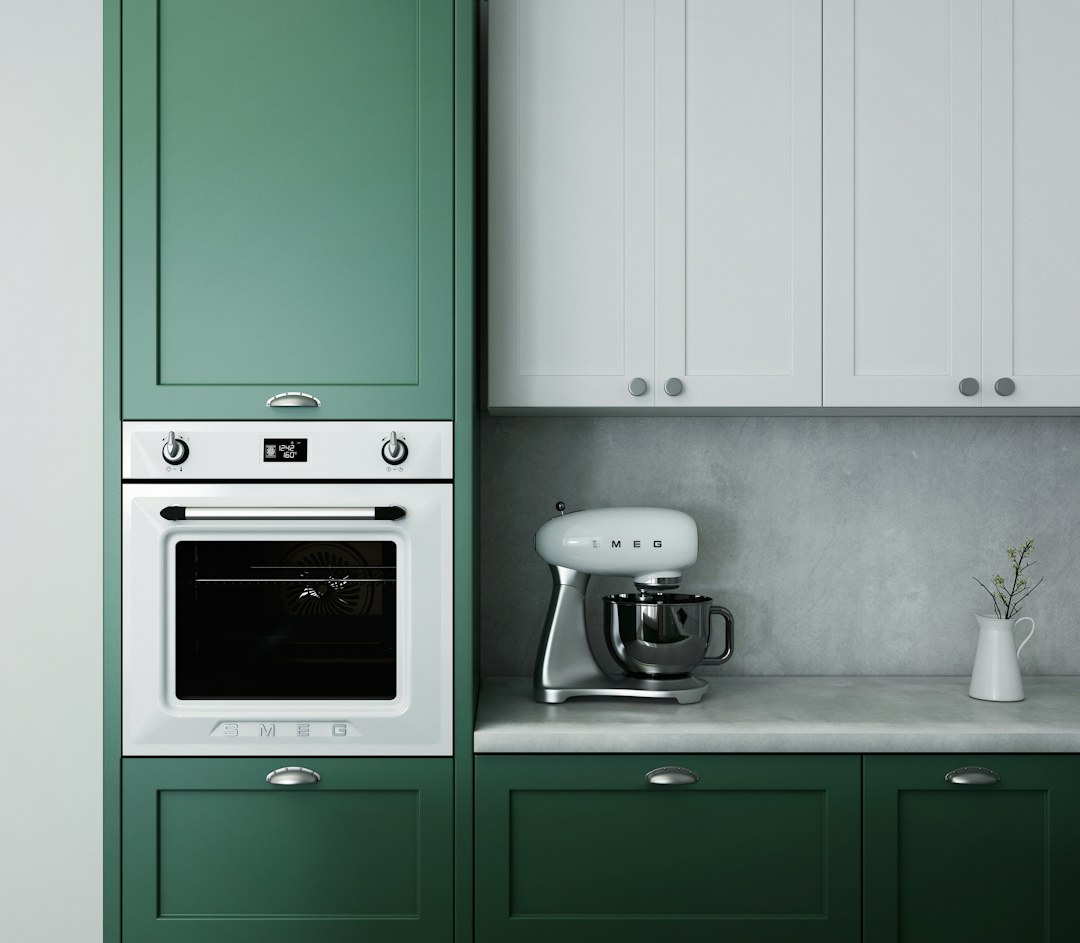
3. Use aged-looking wood as the main rustic character
A rustic table, wooden stool or well-maintained sideboard brings instant cottage character to modern cabinets. You do not need to replace all the worktops with butcher block: one simple timber element can make glossy or painted cabinetry feel less formal. Try mixing a deep cabinet color with walnut or naturally weathered oak, while keeping direct food-preparation surfaces cleanable and suitable for kitchen use. Inspect secondhand furniture for stability, moisture damage and old coatings before introducing it to a food-preparation area. Avoid sanding unknown vintage finishes without checking for potential hazards. Try first: style everyday wooden boards upright against a backsplash when they are dry and clean. Budget move: use a secondhand stool or freestanding wooden trolley instead of refacing cabinets. Our dark cottagecore decorating guidehas more ways to mix antique-inspired wood with darker colors across the home.
4. Add a lighter backsplash to keep dark walls from closing in
When cabinets and shelves are dark, a pale backsplash is a practical place to restore contrast. Cream-colored tile, lightly textured stone-look surfaces or subtle off-white ceramic can soften forest green, espresso and charcoal cabinetry. Consider the whole wall rather than only a close-up product photograph: grout, finish, lighting and countertop color all affect the result. In an older home, existing tiles may be worth preserving instead of removing. If you rent, research material suitability and removal conditions carefully; peel-and-stick is not automatically harmless near water, heat or delicate wall finishes. Our renter-friendly kitchen backsplash comparisonexplains when removable panels may be more appropriate. Try first: sample a warm neutral near the counter. Skip: covering stove-adjacent walls with materials that are not rated for the heat or surface.
5. Let one vintage brass finish bring the glow
Brass and bronze can give deep green or brown cabinets a little reflected warmth without turning the room into a shiny showroom. Try small classic cup pulls, aged-looking knobs or one properly rated light fitting before changing every metal detail. Mixing metals is fine when the palette has a reason: a brass pull can sit comfortably beside a stainless-steel appliance if the warm finish repeats in a lamp or picture frame. Match replacement cabinet handles to existing hole spacing so you do not need to drill new holes. If replacing a faucet, confirm compatibility and use a qualified installer when required. Try first: test one sample pull against your actual cabinet finish. Budget move: introduce brass-colored vintage-style frames or a tray without touching plumbing. Common mistake: adding gold to every fixture and forgetting the natural wood that keeps cottagecore relaxed.
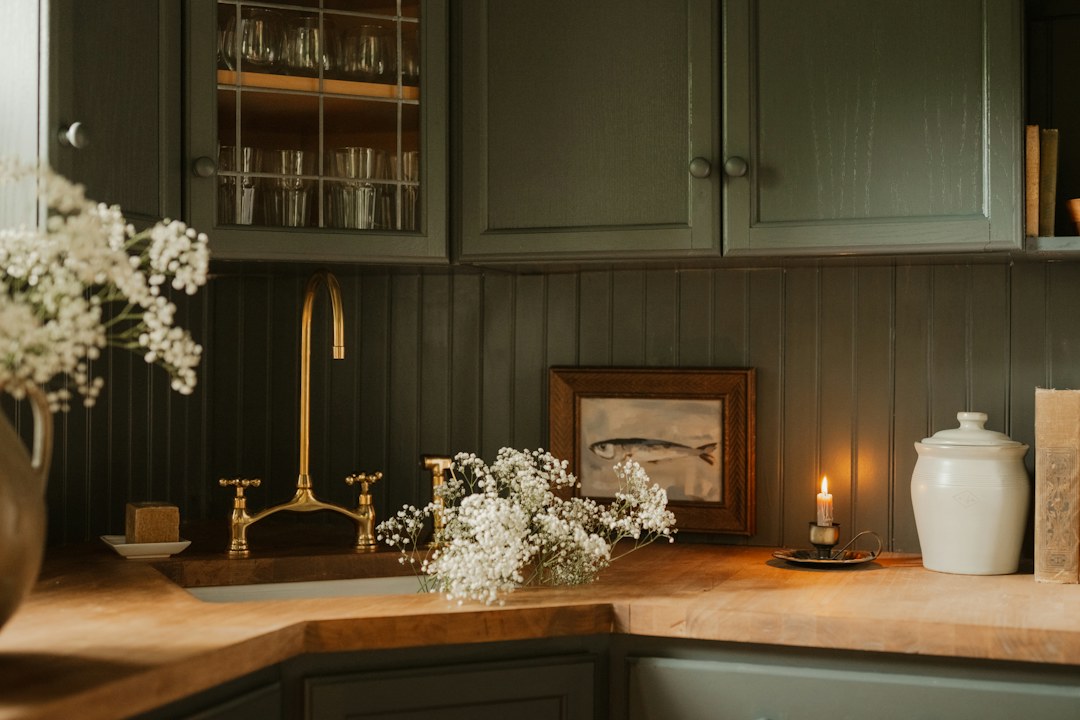
Vintage, Natural Materials and Soft Light (Ideas 6–10)
The details below provide old-fashioned warmth while keeping the cooking area easy to use and maintain.
6. Keep one open wooden shelf for useful pottery
A modest open shelf is a good place for your most-used mugs, plates and bowls. Their ordinary shapes can make the space feel lived-in, while the natural grain of the shelf adds rustic warmth against darker cabinet fronts. The trick is restraint: leave enough room to reach each cup safely rather than crowding the shelf with tiny ornaments. Check the shelf’s mounting, weight limit and clearance from the sink and stove; steam, splashes and cooking grease are real considerations. If your cabinets have glass fronts, displaying a few neutral pieces behind them can give a similar effect without additional wall hardware. Try first: rearrange your everyday ceramics on one existing shelf. Budget move: use baskets in a closed cabinet for the less photogenic essentials. For a broader approach to functional displays, see our curated clutter decor ideas.
7. Work copper into the room through real cookware
A copper pan, vintage-style utensil holder or warm-toned kettle can introduce old-fashioned character and contrast with charcoal and forest green. But display should follow use: keep regularly used cookware reachable and free of dust or cooking grease, rather than hanging a dozen heavy pots over food-preparation space. If you use copper pans for cooking, follow the cookware maker’s instructions for lining, maintenance and food suitability. Heavy racks need approved structural supports, not decorative adhesive hooks. A simple wooden rail with lightweight tools can create the visual rhythm at lower cost and risk. Try first: group a few everyday utensils in one ceramic crock. Budget move: clean and display suitable existing pans rather than buying a coordinated copper set. Skip: positioning heavy cookware where it can fall or impede movement.
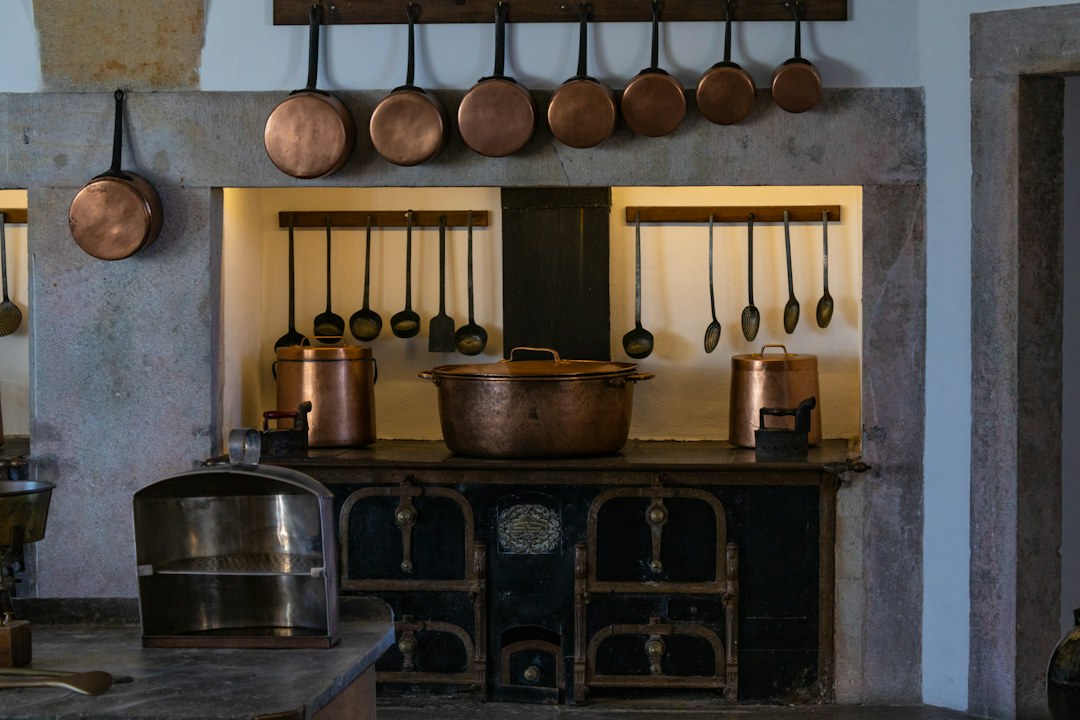
8. Use softly textured stone or tile as a natural counterpoint
Rustic cottage kitchens often combine deep color with the irregularity of handmade-looking materials. A subtly textured backsplash, stone-look tile or understated brick-style finish gives the eye something to explore without adding another patterned fabric. You do not need actual raw stone in every location; the surface should be compatible with cleaning, moisture and the heat conditions around the stove. Consider grout maintenance and how the finish will look beside dark cabinetry after sunset. If replacing an existing backsplash is beyond the budget, protect the current surface and introduce stoneware pottery or a natural stone trivet in a safe location instead. Try first: compare a few samples under the actual cabinet lighting. Skip: choosing a porous finish purely for its rustic appearance if the cleanup requirements don’t suit your cooking routine.
9. Layer under-cabinet task lighting with a vintage pendant
Dark kitchens need generous task lighting even when their overall mood is cozy. Use bright enough, well-placed illumination for chopping, reading labels, washing up and cooking, then add a warm pendant or wall light for atmosphere outside the busiest work area. A vintage-inspired shade can provide the look without relying on old wiring. Consult a qualified electrician for fixed electrical work and choose fixtures rated for their location. Where no rewiring is possible, a suitable plug-in or rechargeable light may help, provided it is safely mounted, away from heat and used according to the manufacturer. Try first: check the counter for shadows when you stand at it and identify where light is missing. Budget move: improve task lighting before paying for a purely decorative pendant. For more layering basics, our home lighting guideoffers transferable principles.
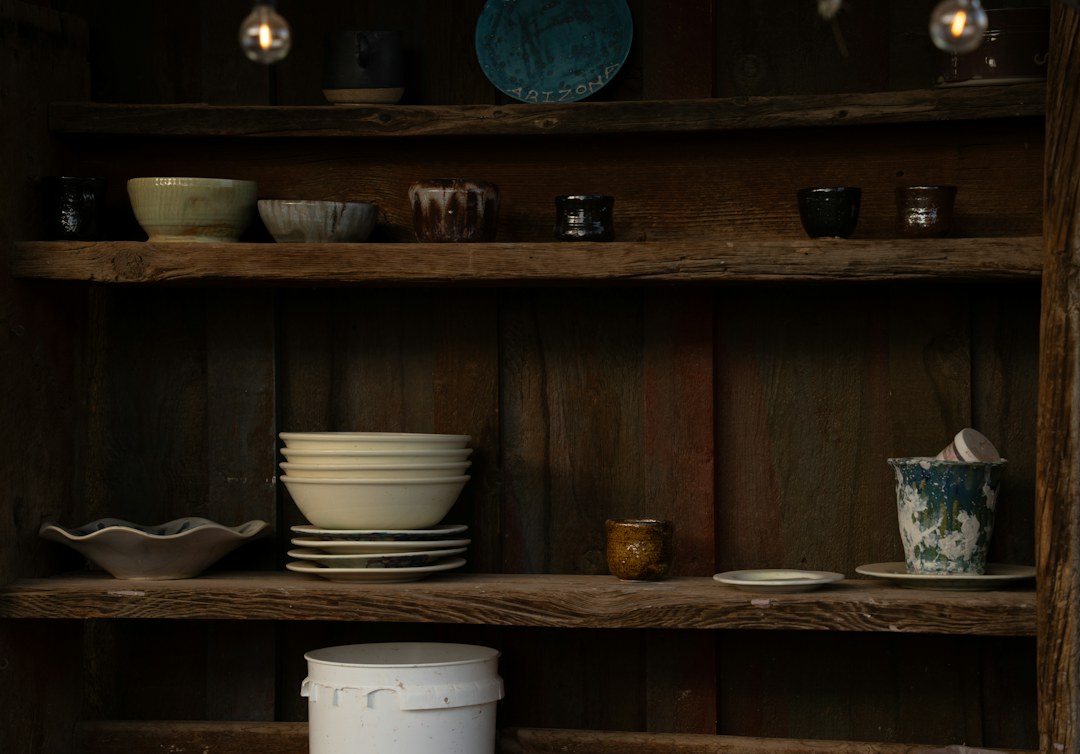
10. Let botanical fabrics introduce a quiet storybook pattern
A cottage kitchen can be dramatic without floral wallpaper on every wall. One cafe curtain, checked tea towel, floral seat pad or understated botanical print is often enough to soften dark cabinets. Choose a pattern that borrows a color from the cabinetry, then use mostly plain materials nearby. Kitchen textiles should be easy to launder and kept away from burners, hot appliances and other fire risks. If you want wallpaper, check that the product is appropriate for the chosen wall and the environmental conditions, particularly near moisture and heat. Try first: swap two tea towels and a washable chair cushion into the same earthy color family. Budget move: frame a botanical illustration away from the cooking splash zone rather than buying rolls of wallpaper. Skip: combining too many dense patterns in a small kitchen.
Small-Kitchen and Budget-Friendly Cottage Touches (Ideas 11–15)
These last ideas keep the character of a moody rustic kitchen while respecting tighter budgets, compact layouts and everyday maintenance.
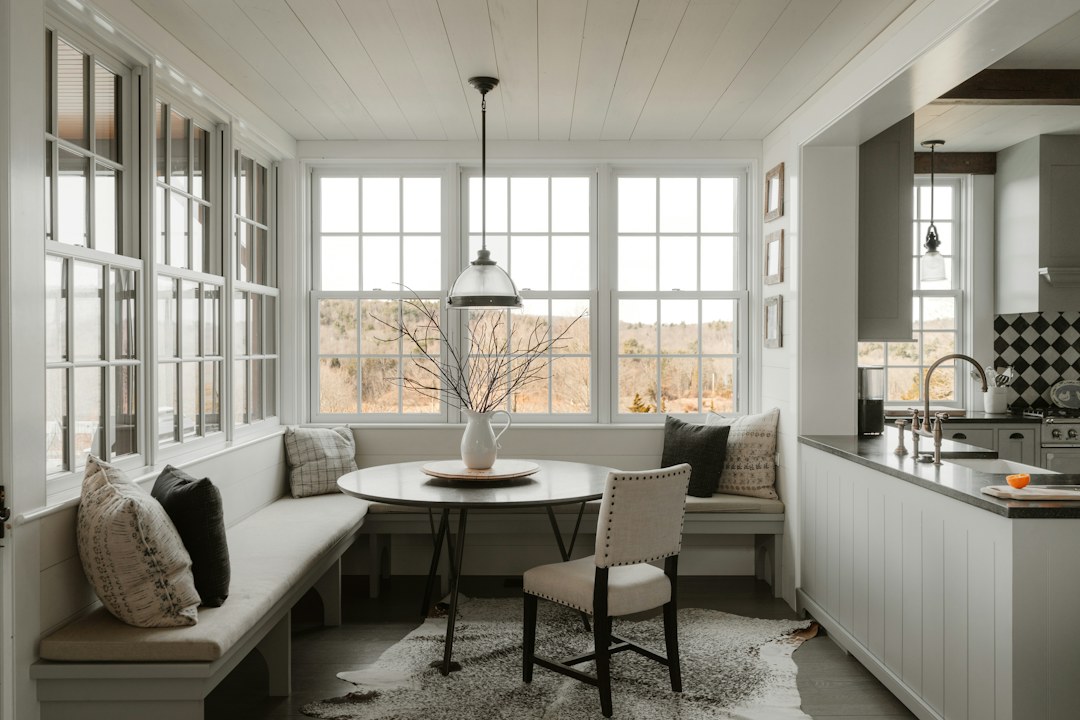
11. Make a tiny breakfast nook feel like a country cottage
A small breakfast space can carry the atmosphere of the whole kitchen. Try a sturdy wooden table, simple chairs, an earthy checked seat cushion and one ceramic vase of seasonal greenery. The best position allows chairs to pull out without blocking the refrigerator, an important cabinet or the door. A window seat can look charming, but it needs to be properly constructed and suitable for the load; there is no need to install built-ins just to follow a mood board. For apartments, a compact freestanding table can create the same inviting ritual. Try first: move one useful stool or chair toward the window and add a washable cushion. Budget move: style the table with a bowl you already own rather than buying decorative breakfast dishes. Explore our small home coffee station ideasfor another practical corner with a cozy routine.
12. Choose espresso wood for a softer alternative to black
Espresso brown cabinets and stained wood tones are a comfortable bridge between very dark contemporary kitchens and a more traditional cottage style. They work especially well with cream dishes, aged metal and warm light. You can introduce the effect through one freestanding cabinet, dark wooden stools or a table before considering a full cabinet refinishing project. Existing old wood may be valuable, so do not automatically paint over sound natural grain. Make sure surfaces used for food preparation are maintained and finished appropriately. Try first: pair your current cabinetry with a dark wooden accessory and lighter linen. Budget move: refurbish a suitable small secondhand piece rather than purchasing a complete new set. Common mistake: choosing espresso finishes under very dim lighting and losing the contrast that makes the wood visible.
13. Make a deep navy kitchen feel cottage-like through texture
Navy is not the obvious woodland color, but a slightly muted ink-blue base can feel just as cozy when it meets rustic wood, off-white ceramics and an understated floral textile. Avoid overly glossy finishes if your goal is relaxed rather than formal; satin or matte surfaces often better highlight the character of the surrounding materials. Test durability and ease of cleaning in the specific product, particularly on doors that get frequent handling. With navy as the focal color, keep the remainder of the scheme simple and let brass or warm wood supply the cottage warmth. Try first: bring a navy fabric sample next to existing wooden furniture and pale tiles to test the palette. Budget move: use a navy tablecloth or washable runner for the same color story. Skip: combining navy, forest green and charcoal as competing feature colors in a tiny kitchen.
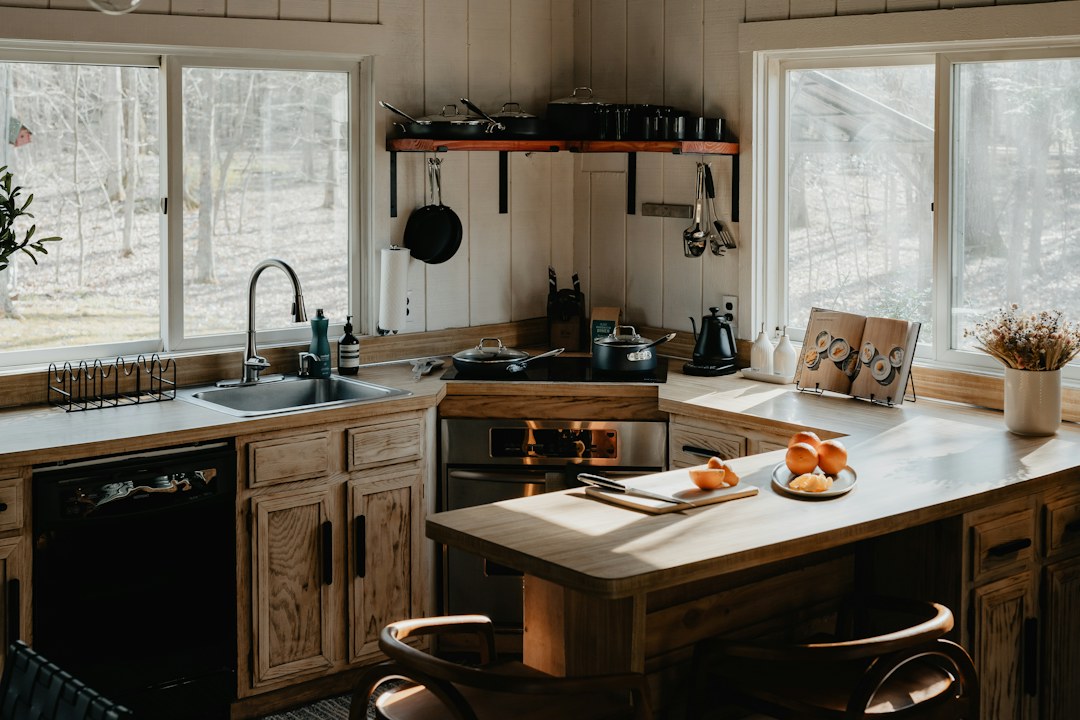
14. Add herbs and natural greens without cluttering the worktops
Living herbs and branches can soften a moody kitchen, but practicality matters more than a styled photograph. Choose plants that tolerate the available light, keep soil and drainage off food-preparation surfaces, and avoid positioning leaves near open flames or hot equipment. A small herb planter close to a suitable window can be both useful and decorative; a botanical print or plain green ceramic pot is a good alternative when the room is too dark. Check plant safety when pets and children share the home. Try first: use one properly placed herb pot or a simple vase of cut stems, keeping the counter clear. Budget move: grow a herb you use in cooking rather than buying several decorative plants. Common mistake: filling every window ledge with pots that make cleaning, opening windows or working safely more difficult.
15. Finish with easy-to-wash linens and one daily reset
The dark cottagecore kitchen should feel welcoming after a real dinner, not only before it. Choose washable tea towels, a modest table runner and practical textiles that can handle kitchen routines. Use them to repeat one or two colors from your cabinet and backsplash palette, then keep countertops free enough for cooking. A short reset—dishes to the sink or dishwasher, towels hung to dry, counters wiped appropriately and daily items returned to their homes—makes those cozy details easier to appreciate. Our home organization guide for overwhelmed daysoffers a gradual starting point if the kitchen has become difficult to manage. Try first: clear one preparation surface and introduce just one new texture. Budget move: wash and reuse linens you already love. Skip: placing fabric runners too close to burners or other heat sources.
Dark Cottagecore Kitchen Trends for 2027: What Is Worth Trying?
Looking ahead to 2027, a dark cottagecore kitchen can feel fresh without chasing a short-lived renovation trend. The ideas below are styling directions to consider, not verified predictions of what will dominate in 2027. Choose them for longevity and personal comfort rather than because a forecast says they will be fashionable.
More layered dark colors: mix muted green, cocoa and charcoal with cream or pale stone to maintain contrast. Honest material character: use wood grain, ceramics, brushed metal and appropriate textured surfaces rather than buying an entire set of themed accessories. Function-first vintage: give cookware, crockery and useful storage a place in the design, but keep them convenient and easy to clean. Reversible changes: let renters and budget-conscious households experiment with washable fabrics, independent furniture and movable decor before making permanent alterations.
What Should You Spend on First? A Practical Makeover Order
Start for free: remove visual clutter from one section of counter, display useful ceramics together, shift a wooden board to a practical location and evaluate the existing lighting. Low-cost refresh: add a compatible lamp, a washable textile, a secondhand stool or a small piece of botanical art. Medium project: consider cabinet hardware if the existing holes and fittings allow it. Major renovation: leave cabinet painting, backsplash replacement, plumbing and electrical alterations until you have measurements, a realistic budget and a plan for durability, ventilation and safe installation.
A renovation is not required for cottage charm. When changes involve leases, old finishes, electrical wiring, gas appliances or structural fixings, follow applicable rules and consult qualified tradespeople. For broader apartment-friendly styling, see our apartment decorating ideas.
Common Dark Kitchen Mistakes to Avoid
Too much darkness without practical light: make sure every preparation surface is illuminated. Buying storage before measuring: leave safe clearance around drawers, appliances and doors. Decorating the cooking splash zone: keep flammable textiles and unsuitable finishes away from heat. Ignoring cleanup: select surfaces compatible with moisture and frequent wiping. Overstyling with antiques: choose a few sturdy, useful pieces and check their condition before adding them to a working kitchen. Cottage atmosphere should never compromise food hygiene or safe cooking.
Dark Cottagecore Kitchen FAQs
What colors work best for a dark cottagecore kitchen?
Forest green, deep olive, espresso brown, charcoal and muted navy pair well with warm cream, soft stone, wooden textures and antique-inspired metal finishes. A single darker anchor usually looks calmer than several competing dramatic colors.
Can dark cottagecore kitchens work in small spaces?
Yes. Use dark lower cabinets or one feature surface rather than darkening every wall, keep an easy-to-clean pale work area and plan good task lighting. Avoid freestanding furniture that blocks the refrigerator, doors or the natural route through the kitchen.
How can I create dark cottagecore decor without painting cabinets?
Try a muted botanical textile, warm wood boards, one ceramic vessel, framed landscape art or a vintage-style table lamp placed safely away from heat and water. These details can suggest the aesthetic without permanent alterations.
Is a black kitchen the same as a dark cottagecore kitchen?
Not necessarily. A sleek black kitchen may feel minimalist or industrial. Dark cottagecore tends to add softer fabrics, practical pottery, natural wood, nostalgic patterns and slightly imperfect materials to create a relaxed, collected feeling.
Are dark cottagecore kitchens a confirmed 2027 trend?
It is reasonable to use the style as inspiration for 2027, but popularity forecasts are uncertain. Choose dark finishes and cottage details because they suit your light, space and preferences—not because any individual prediction guarantees they will be trending.
What makes a dark kitchen feel cozy rather than gloomy?
Balanced contrast makes the difference: pale stone or cream tile against deep cabinets, warm wood and adequate lighting for preparation and dining. A few natural textiles and everyday ceramics add personality without occupying all of the useful counter space.
What should renters avoid when trying this kitchen style?
Avoid unauthorized paint, adhesive wall finishes unsuitable for heat or moisture, and permanent changes to plumbing or electrical fixtures. Follow the tenancy agreement and prefer reversible elements that do not obstruct safe kitchen use.
Build a Moody Cottage Kitchen You Will Still Love to Use
The best dark cottagecore kitchen ideas make space for real meals and daily routines. Start with one deep color, balance it with wood or pale stone, add safe and comfortable lighting, then introduce vintage character through practical objects. Keep the work surfaces usable and let the room develop at your own pace. Find more ideas in our Kitchen Decor collection and the dark cottagecore guide for the rest of your home.