How to Organize Your Home When You Feel Overwhelmed: 12 Small Wins
If you are trying to figure out how to organize your home when you feel overwhelmed, starting with an entire room may sound impossible. The goal here is different: make one part of your home work better, then build on that progress with simple routines. You don’t need an expensive storage system, a whole weekend or a picture-perfect result.
Quick answer: Choose one daily friction point, set a small finish line, remove obvious rubbish, gather things that belong elsewhere and put useful items close to where they are used. Even five minutes can be a complete session.

Before You Begin: Choose the Job That Matters Most
Ask yourself: what would make tomorrow morning easier? You might need a clear counter to prepare breakfast, a safer entryway to leave the house or a bedside table where you can find your glasses. Fixing an everyday problem is more valuable than making an invisible cupboard look perfect. If there are immediate hazards, such as blocked exits, sharp objects or spoiled food, prioritize safety before appearance.
Choose a Starting Level That Fits Your Day
Five minutes: Clear one chair, a nightstand or the spot where keys land. Fifteen minutes: Restore one working surface and return the displaced things. Thirty minutes: Finish one small category, such as the towels in a single cabinet, and put everything back before stopping. Your available time can change from day to day. These are options, not deadlines.
Jump to the first six steps, room-by-room organization, a five-day plan or common questions.
How to Organize Your Home: Six First Steps
1. Set a finish line you can reach today
The task “organize my house” has no obvious end. Replace it with something concrete: clear enough kitchen counter space to prepare dinner, make the chair usable again or return all the shoes beside the door to one spot. Choose a result you can see and use within the time available. Take a quick before photograph if that helps you appreciate the change, but don’t turn it into another job. Small win: Finish one useful surface without opening other drawers or switching rooms halfway through.
2. Pick up obvious rubbish, not difficult decisions
Ordinary rubbish is usually easier to deal with than an object that raises questions. Gather empty packaging, old tissues and food waste; carry the bag to the appropriate bin when you finish. Do not include batteries, chemicals or medications in an ordinary rubbish sweep. The US Environmental Protection Agency’s household hazardous waste guidance explains why some materials need special disposal. Check your local rules rather than assuming all items can go in the same bin. Small win: Remove one bag of clearly disposable household waste from one zone.
3. Give displaced objects a temporary basket
A temporary “belongs elsewhere” basket keeps you from leaving the room every time you find a misplaced book, charger or clean towel. Set one container nearby, work on your chosen surface and place displaced items inside. At the end of the session, return the contents to their existing homes. If something does not have a clear home, set it aside for a later decision instead of starting a new project. Small win: Return five items to places where you will actually look for them tomorrow. A laundry basket or cardboard box works fine; no matching organizer is necessary.
4. Give your busiest surface its job back
Think of what the surface is for. A kitchen counter needs space for chopping food; a desk should have room for the laptop; a bedside table might need a lamp, water and a book. Remove items that do not support that function, and keep daily essentials close enough that using the space is effortless. A completely empty counter is not a success if you must fetch everything from another room. Small win: Restore one daily activity. Wipe the area using suitable products and follow the labels rather than mixing cleaning chemicals.
5. Sort one small category at a time
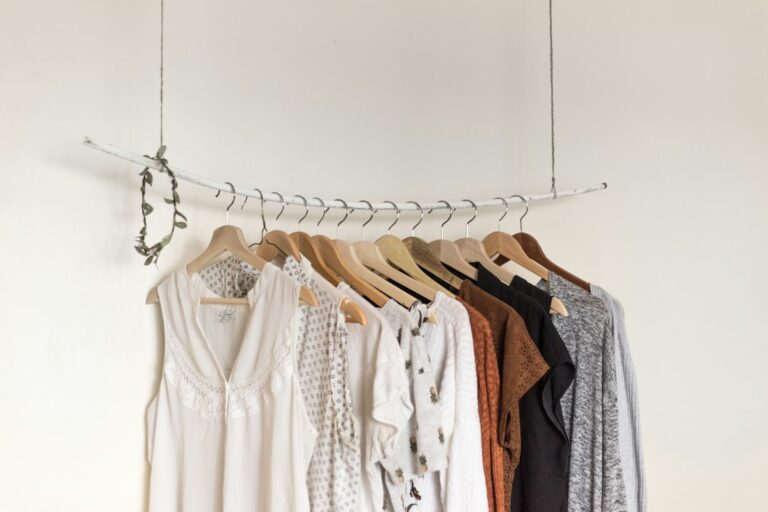
After a surface feels usable, select one contained category such as towels, reusable shopping bags, mugs or charging cables. Look at only those items and decide which are useful, which belong elsewhere and which should leave the home. Put the keepers back before opening another shelf. Pulling everything from an entire closet onto the floor is likely to create a bigger unfinished task. Our closet organization guide for small spacesoffers next steps once you have edited the clothes and accessories you actually use. Small win: Finish one category with no leftovers spread across the room.
6. Place storage where the habit already happens
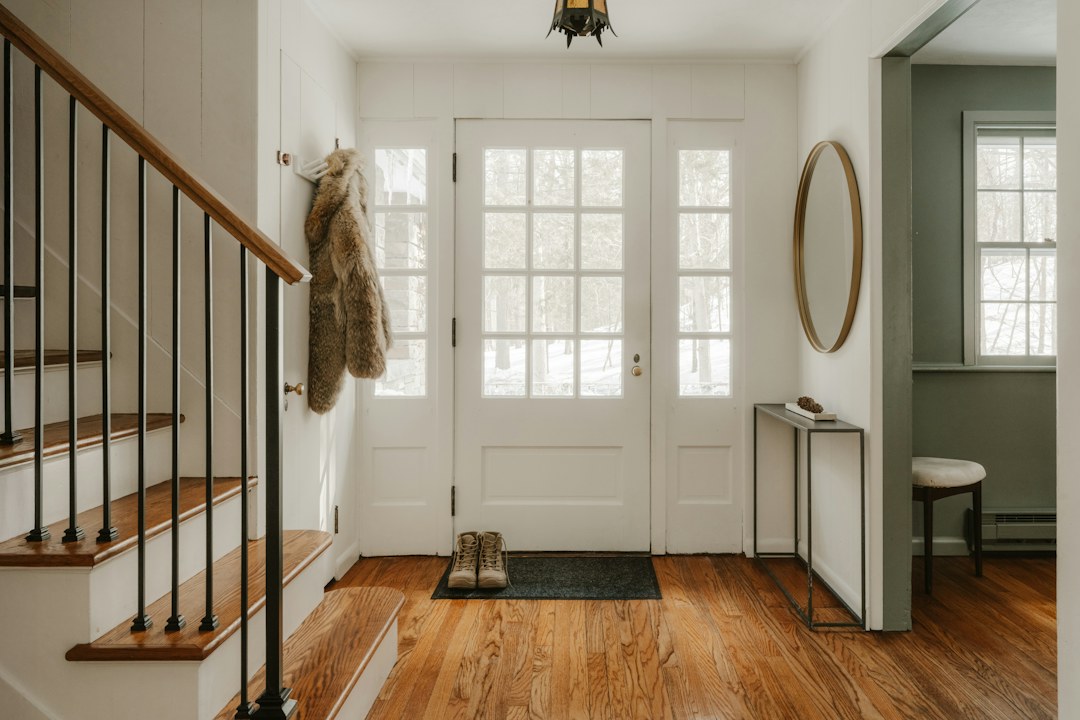
Instead of demanding a completely new routine, observe where shoes, mail, backpacks and chargers naturally land. A shoe tray beside the door may work better than a storage cupboard at the other end of the home. Give mail one inbox, and choose a simple home for keys that is convenient for everyone who uses them. Keep paths and exits clear, and follow mounting instructions for heavy shelves or hooks. Our small entryway organization planhas more ideas for daily drop zones. Small win: Give one frequently lost object a consistent landing place.
Room-by-Room Organization When You Don’t Know Where to Start
The following six steps continue the same small-win approach, but attach it to the places you use every day. You can do them in any order. Choose the one that would restore the most useful function today.
7. Choose a kitchen reset that makes meals possible
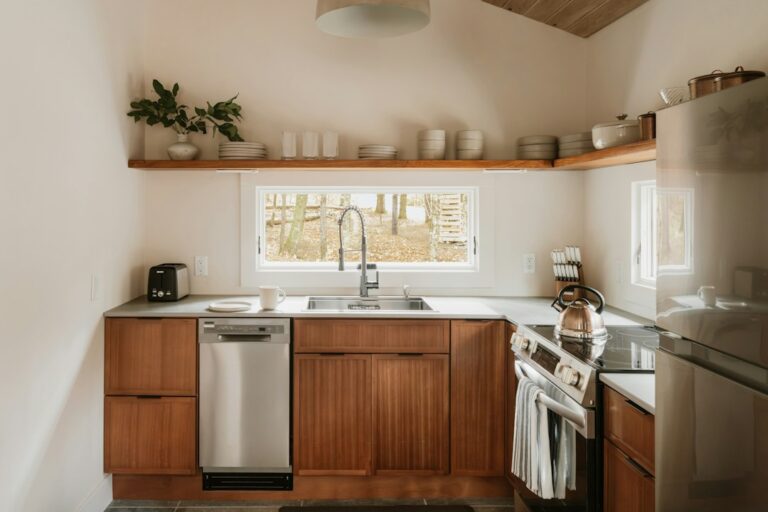
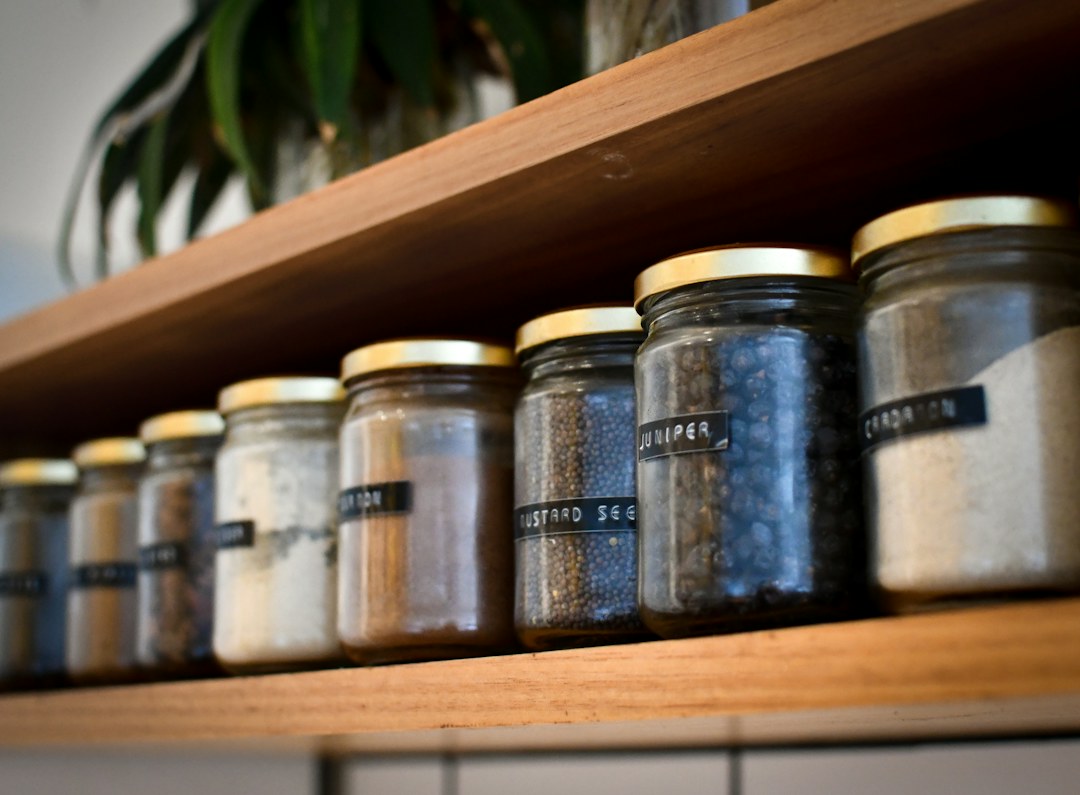
Don’t begin by decanting every dry ingredient into matching containers. First, clear the space where you actually prepare food, return frequently used utensils to one reachable place and check whether there are duplicate mugs or utensils crowding drawers. Keep the items you use daily within easy reach; less-used appliances can go in an accessible cabinet if weight and safety allow. If food is spoiled, follow safe food-handling guidance rather than relying on appearance alone. A simple kitchen is one where you can make breakfast without shifting a pile first. Small win: Reclaim one section of counter and a single utensil drawer.
8. Make the bathroom counter easier to maintain
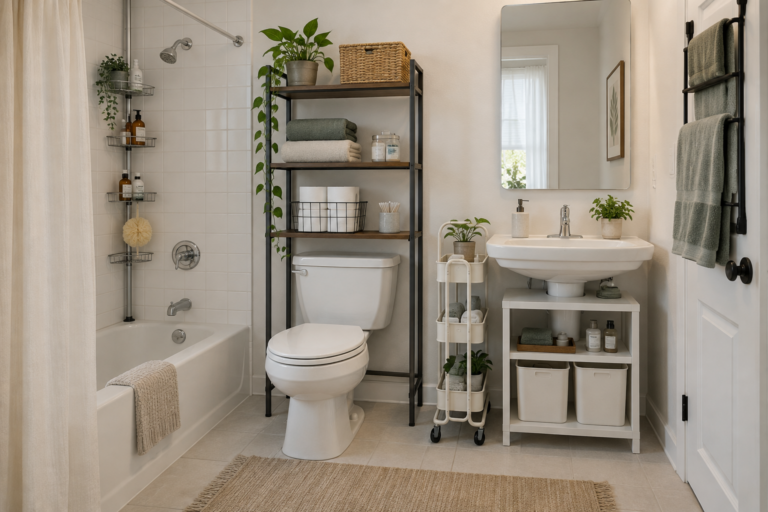
In the bathroom, focus on what you touch during the morning routine: toothbrush, soap, skincare and towels. Store backups away from the sink, keep personal-care products contained and check that cabinet contents don’t interfere with cleaning or ventilation. A small tray can help you move everything aside when wiping the counter. If you find unwanted or expired medication, do not toss it into an ordinary bathroom bin or flush it without checking official instructions. In the US, the FDA recommends medicine take-back options for most unused medicines; elsewhere follow local pharmacy or disposal rules. For rented spaces, read our renter-friendly bathroom storage guide. Small win: Give every daily bathroom product a reachable spot.
9. Simplify the bedroom’s evening and morning routines
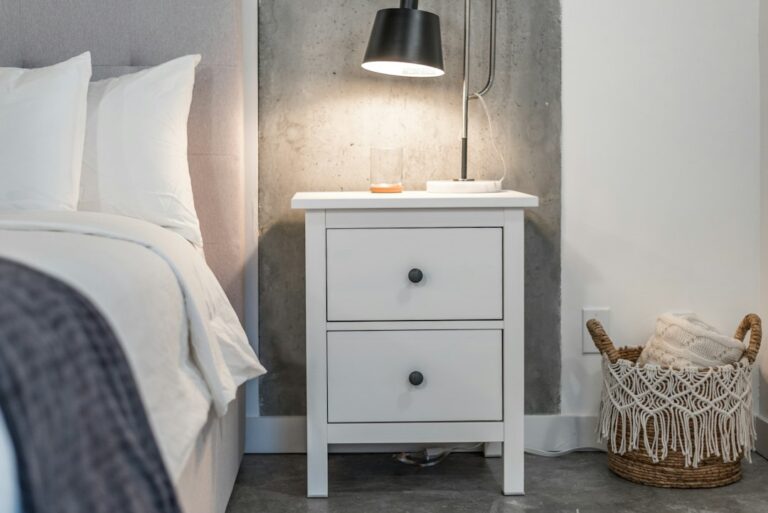
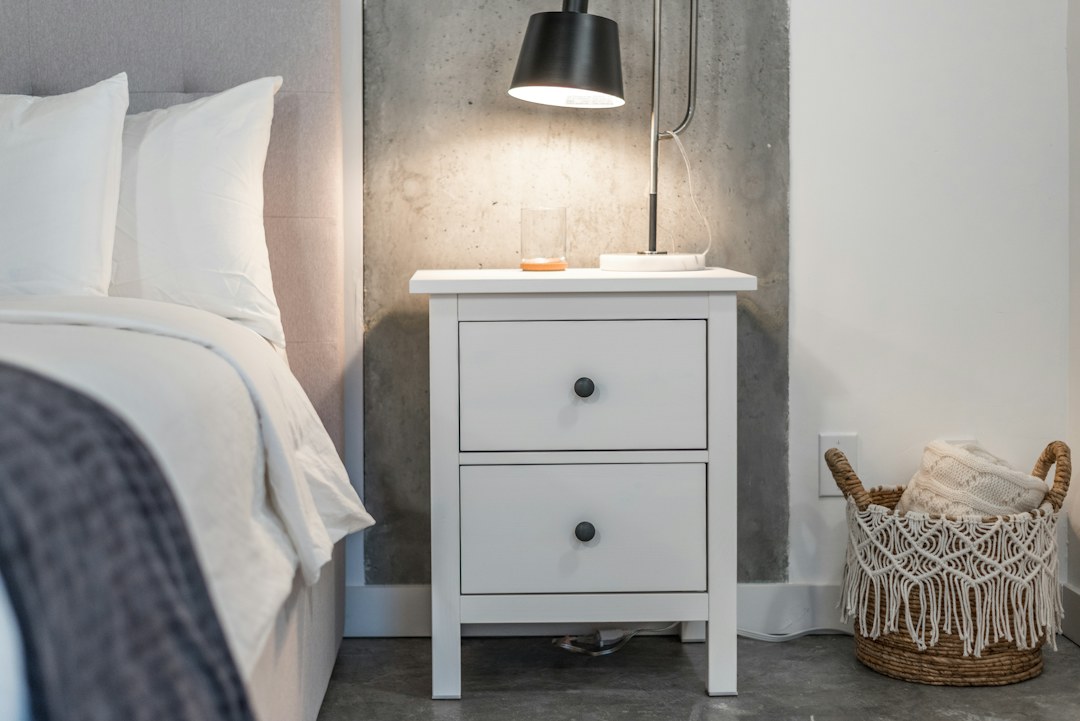
Start with the bed, nightstand and path to the wardrobe, not a full clothing purge. Make the bed if that helps you see the floor plan clearly, return glasses or charging cables to a consistent location and take dirty laundry to the appropriate hamper. Clean clothing needs a simple destination too: choose a shelf or a group of hangers you can reach comfortably. If nightstand clutter keeps returning, it may need a small dish for essentials rather than a decorative organizer. Our small bedroom storage ideasexplore ways to make limited drawers and closet space more practical. Small win: Keep the floor route clear and the nightstand useful.
10. Give the living room one easy-to-reset zone
The living room works hard: people relax, work, watch television, play games and leave objects on the sofa. Decide which two activities are most important, then organize for those. A basket for throws, a drawer for remotes and one tray for small essentials may be all you need. Keep sentimental decorations that make the space welcoming, but avoid lining every surface with little objects that must be moved for cleaning. For a balanced, lived-in look, see our curated clutter decorating guideliving room layout guidecan help. Small win: Clear the sofa and make the main table usable.
11. Set up a simple exit plan for donations and recycling
A full bag waiting by the front door is not the end of the process. Choose a realistic drop-off time or collection service before creating a pile, and check that donated items are clean, safe and accepted. For recycling, follow your local municipality’s sorting rules; not every material marked recyclable is collected everywhere. Keep private papers secure until they can be shredded appropriately. Avoid keeping donation bags in a passage where they block a door or create a trip hazard. Small win: Move one filled bag to the next legitimate stage of its journey, or schedule a specific time to take it out of the house. Only collect as much as you can follow through on.
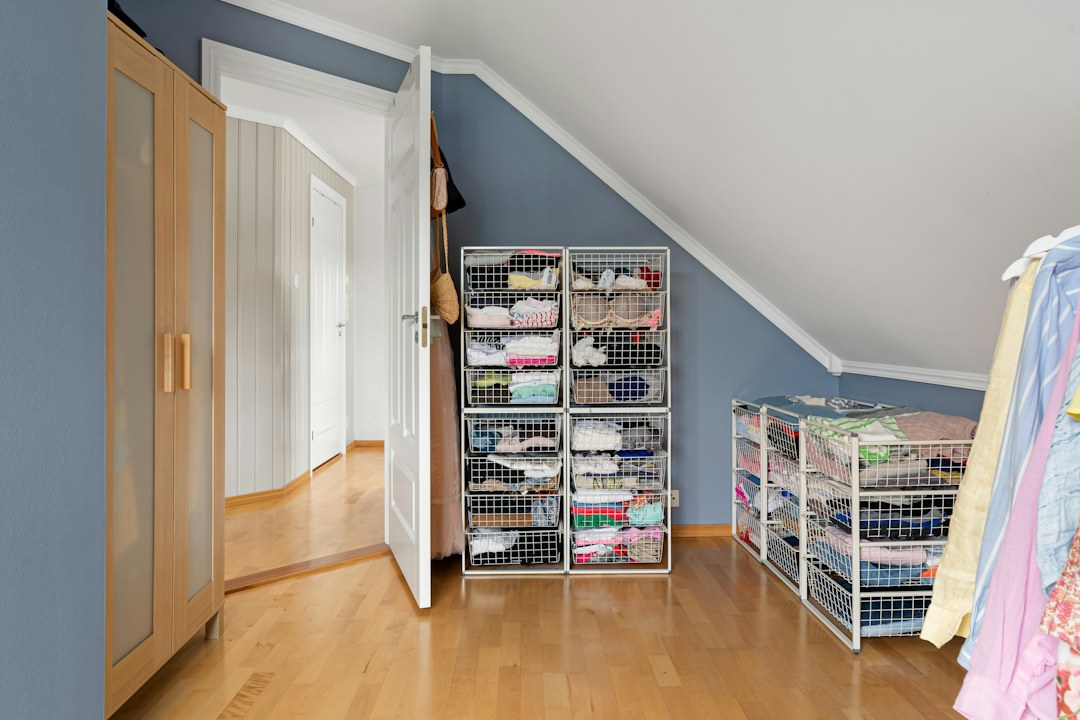
12. Build a reset that takes less effort than a new mess
When you have restored a few useful zones, decide what would keep them functional. A brief evening routine might be: return shoes to the tray, put dishes in the kitchen, place keys in their spot and clear the table for the next day. Make the routine short enough that you can repeat it even on a busy night. If a family member can’t use a storage system comfortably, adjust the system together rather than relying on reminders. Small win: Choose three items that routinely wander and return them to their homes once a day. If the pattern breaks for a week, restart with one small task; a missed day doesn’t require a whole-house reset.
An Easy Five-Day Home Organization Reset
This plan is an optional guide, not a deadline. Each day can be as short as five minutes. If you miss a day, return to the next small action instead of starting the whole schedule again.
Day 1 — One visible surface: Restore the kitchen preparation area, a bedside table or the spot where you drop your bag. Stop once the area is useful again.
Day 2 — The front door: Give keys, shoes, bags and incoming mail an easy place to land. Remove anything that blocks access.
Day 3 — Clothing and laundry: Sort one shelf or basket. Return clean clothes to an easy-to-reach space and collect dirty laundry in one place.
Day 4 — The living area: Make the main seat usable, gather remotes and games, and leave a clear route through the room.
Day 5 — Keep it working: Revisit the spots that collected items during the previous days. Adjust the storage system for how people actually behave, then plan a small donation or recycling drop-off if needed.
What You Don’t Need to Buy Before Organizing
Clear organizers, labels, matching hangers and specialized drawer dividers can be useful after you know what you are keeping and where it belongs. Buying them before you measure the shelves can waste money and add another pile to sort. Reuse a shallow box for cables, a bowl for keys or a simple basket for loose textiles. When you do purchase storage, measure its footprint, opening clearance, weight capacity and whether it will be safe around children and pets. A container that makes the task harder to complete is not a good solution.
If you’re organizing a new place on a tight budget, our first-apartment budget guidecan help you prioritize essentials over decorative purchases. For a small room with many functions, our small living room ideasoffer furniture and storage suggestions once the essentials are sorted.
Common Mistakes That Make a Reset Feel Bigger Than It Is
Starting with a sentimental collection: Family photographs and inherited objects often need more time and attention than a quick decluttering session. Leave them for a calm, dedicated moment.
Emptying several cabinets at once: If time runs out, you are left with more clutter than before. Work with one shelf or category and put its contents back before changing areas.
Expecting every household member to use a complicated system: Make the best storage location easy to access, obvious and practical. A workable system beats an impressive one that nobody can maintain.
Equating organizing with a spotless home: Organizing gives possessions usable places. Cleaning removes dust and dirt. Both matter, but they are different tasks; do the safety-related cleaning promptly and otherwise give each its own manageable session.
Frequently Asked Questions
Where should I start organizing when my whole house is messy?
Start where an improvement will make the next day easier: a kitchen work surface, the front door or the place where you sleep. Choose one small finish line and avoid opening multiple storage areas in the same session.
What can I organize in five minutes?
Clear an armchair, sort the visible contents of a nightstand, put shoes by the door or return five misplaced items to their existing homes. Finish by removing any ordinary rubbish or putting supplies away so the task stays complete.
Should I declutter or organize first?
For a small zone, remove obvious rubbish and things that do not belong there first. Then decide where the remaining useful items should live. You do not need to purge the entire house before improving one everyday area.
How can I organize my home without buying bins?
Reuse baskets, boxes, bowls and drawers you already own. Give each storage spot a specific purpose, and test it for a few days before buying anything. If the system works and you still need a better-sized container, measure first.
How do I keep my house organized when I am busy?
Design a short reset for the habits that cause the most clutter. Returning keys, shoes, dishes and remote controls to predictable places can be easier than setting aside a long weekly organizing session. Adjust the routine if it consistently feels unrealistic.
What if I’m overwhelmed and can’t finish a room?
Scale the task down. Finish one useful surface or remove a single bag of ordinary rubbish, and stop there. If clutter makes daily living unsafe or becomes impossible to manage alone, consider asking a trusted person or qualified local service for practical help.
A More Organized Home Starts with One Usable Space
Learning how to organize your home when you feel overwhelmed is not about finding the perfect system. It is about removing one daily frustration at a time and making the next action easy. Choose a five-minute win, finish it completely and let the next project wait. Explore more of our home organization guides when you want practical ideas for specific rooms.