11 Curated Clutter Decor Ideas That Feel Collected, Not Messy
Curated clutter is not permission to cover every surface. The appeal is a room where books, art and souvenirs feel personal yet easy to live with. Pinterest highlighted the approach in its autumn 2026 trends; the key is selection and restraint, not more purchases.
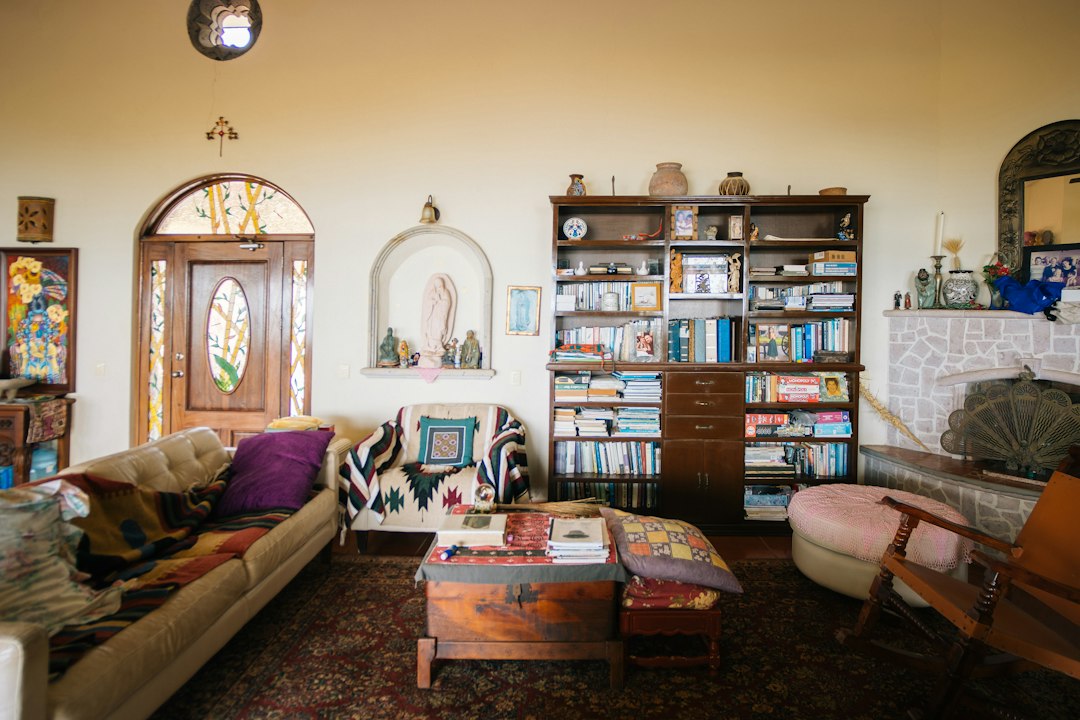
Start with a single shelf or sideboard rather than styling an entire room. For botanical prints, moody lamps and other storybook details, see our magical cottagecore room decor ideas. For a rich, romantic take on vintage styling, explore our 11 dark cottagecore decorating ideas. If the whole home needs attention, begin with our 12 small home organization wins and then return to styling. For a broader style refresh, discover 15 living room decor ideas for any budget. Take everything off, keep the objects that have a purpose or a story, and return them in groups with visible breathing space. Try a mixture of heights, one repeating color and a few practical pieces such as a book or a catch-all tray. The goal is a personal room that remains easy to clean and use, not a buying list for more decorative objects.
11 ideas you can use
1. Start with objects that matter
Choose books, travel finds and family photos before buying new decoration. A meaningful group has a story and is easier to style than random objects chosen to match a catalog photo.
2. Leave clear space between groups
Place objects in clusters of two or three with breathing room between them. If the arrangement feels busy from the doorway, remove one item rather than adding an organizing tray.
3. Mix heights on a bookshelf
Try one tall vase, a horizontal book stack and a low dish on a single shelf. Varying the silhouette creates rhythm without requiring many colors or expensive pieces.
4. Repeat one material twice
Use warm wood in a picture frame and a tray, or brass in a lamp and small object. Repetition makes a collection feel intentional even when the pieces are from different periods.
5. Use books as decorative anchors
Stack two or three sturdy books under a small object, but keep books readable and easy to pull out. Avoid very heavy stacks above seating or delicate cabinets.
6. Curate rather than hide all color
Choose one stronger accent color from a cherished object and echo it elsewhere. Neutral backgrounds help mismatched collected pieces feel part of a coherent room.
7. Display vintage items safely
Inspect thrifted pottery or lamps for chips and unsafe wiring. Use questionable ceramics for decoration rather than food, and have older electrical items assessed before use.
8. Give each surface one role
Make the entryway table a place for keys and a single framed photo, not another whole collection. Practical surfaces should remain usable.
9. Combine framed and freestanding art
A medium print behind two smaller objects creates depth on a shelf. Follow stability and fixing guidance, especially in rooms used by children or pets.
10. Keep baskets for unglamorous items
Closed baskets can hide cables, chargers or paper clutter while leaving favorite books and souvenirs visible. Select baskets by actual dimensions, not by appearance alone.
11. Refresh the edit each season
Put one group of pieces away and bring out another instead of buying new decor. Photograph successful arrangements so you can recreate them without starting from scratch.
How to tell curated from cluttered
Step back three paces: can you still see the furniture surface, reach the objects you use and move safely through the room? If not, edit it down. Explore our closet organization ideas and curated shopping guides if the real issue is excess storage.
Trend context: The Pinterest Autumn 2026 trends report includes curated clutter, but the practical advice here focuses on reusable styling techniques rather than predictions of exact popularity.
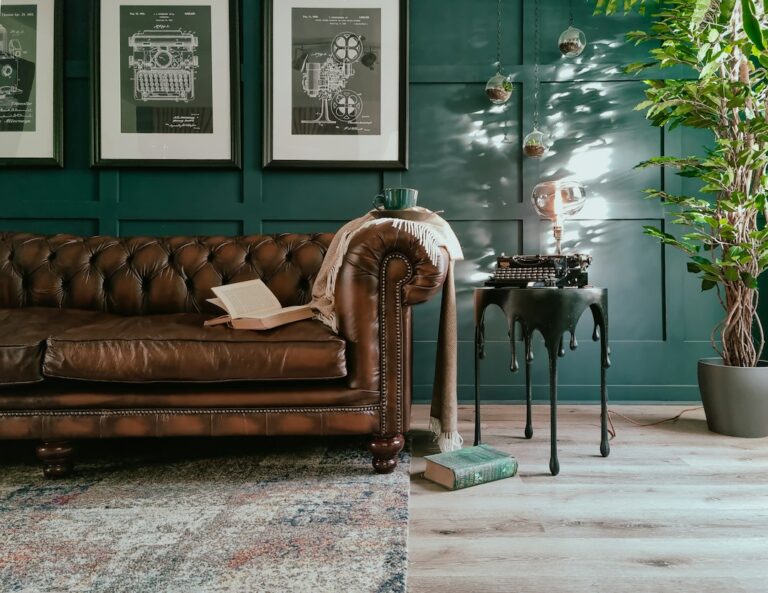
Editorial photo: Leonardo Vargas / Unsplash.
Use a repeatable styling formula
Choose one practical anchor such as a lamp, favorite book or vase; add one medium item and one smaller personal object. Vary heights but leave part of the surface clear for daily use. Repeat one color or material across two areas of the room to make mixed objects feel intentional without buying matching sets.
Editing a busy shelf
Remove everything and clean the surface. Return the items you actually need first. Then add just two or three decorative pieces at different heights, allowing negative space around them. Take a photo: if nothing stands out, remove an object rather than adding another. Keep fragile pieces off edges and away from places where pets or children can reach them.
How to thrift thoughtfully
Check the finish, stability, odor and cleaning requirements of secondhand finds. Avoid damaged electrical items and questionable glassware for food contact. A low price is not a bargain if the piece needs specialist repair or blocks a useful surface. Curated clutter works best when collections grow through personal experiences, not urgent trend shopping. For related ideas, see our wall décor guide.